Production Testing

Overview

The purpose of the test procedure is to identify connectivity issues, poor soldering, and potential manufacturing defects.

Test Duration

Step Description

Estimate Time (minutes)

Test bench setup

5 min

Software test

1 min

Total time

6 min

Test Requirements

Required Hardware

  • 1 x AD-SWIOT1L-SL board

  • 24V power supply for the AD-SWIOT1L-SL board

  • Raspberry Pi, power supply, Mini-HDMI cable

  • Mouse and keyboard

  • T1L-to-Usb cable and AD-T1LUSB2.0-EBZ (media converter) as Device Under Test (DUT)

  • Usb-A to Type-C cable for the media converter

Required Software

The test image is provided on a pre-configured SD card.

Required Setup

  1. Insert the SD card into the Raspberry Pi and power it.

  2. Connect the HDMI cable between Rpi and the monitor, insert mouse and keyboard dongle into the Rpi’s Usb port.
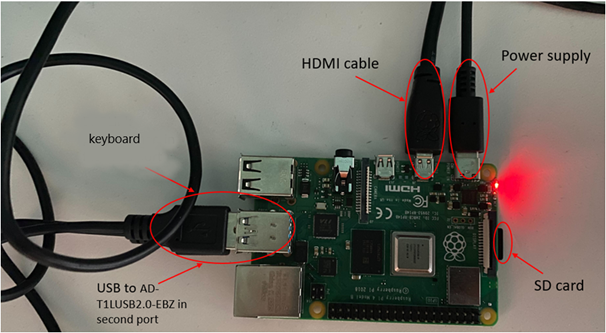
    https://media.githubusercontent.com/media/plescaevelyn/adi-documentation/t1l2usb_prod_test/docs/solutions/reference-designs/ad-apard32690-sl/ad-t1lusb-ebz/production_testing/images/rpi_connections.png

    Figure 1 Raspberry Pi connections

  3. Connect the T1L-TO-Usb cable into the AD-SWIOT1L-SL and into the AD-T1LUSB2.0-EBZ (media converter).
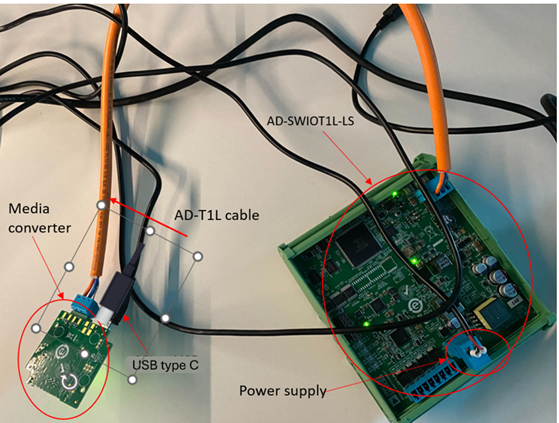
    https://media.githubusercontent.com/media/plescaevelyn/adi-documentation/t1l2usb_prod_test/docs/solutions/reference-designs/ad-apard32690-sl/ad-t1lusb-ebz/production_testing/images/system_connection.png

    Figure 2 System connection

  4. Connect a Usb Type-C cable to the media converter and plug the other side into the Raspberry Pi.
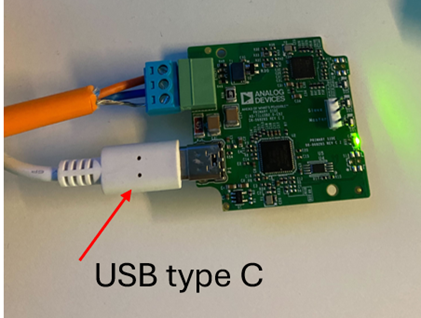
    https://media.githubusercontent.com/media/plescaevelyn/adi-documentation/t1l2usb_prod_test/docs/solutions/reference-designs/ad-apard32690-sl/ad-t1lusb-ebz/production_testing/images/usb_c.png

    Figure 3 Usb-C connection

  5. Power the AD-SWIOT1L-SL.

Test Process

Wi-Fi Setup

Before starting the testing procedure, make sure the Raspberry Pi is connected to Wi-Fi.
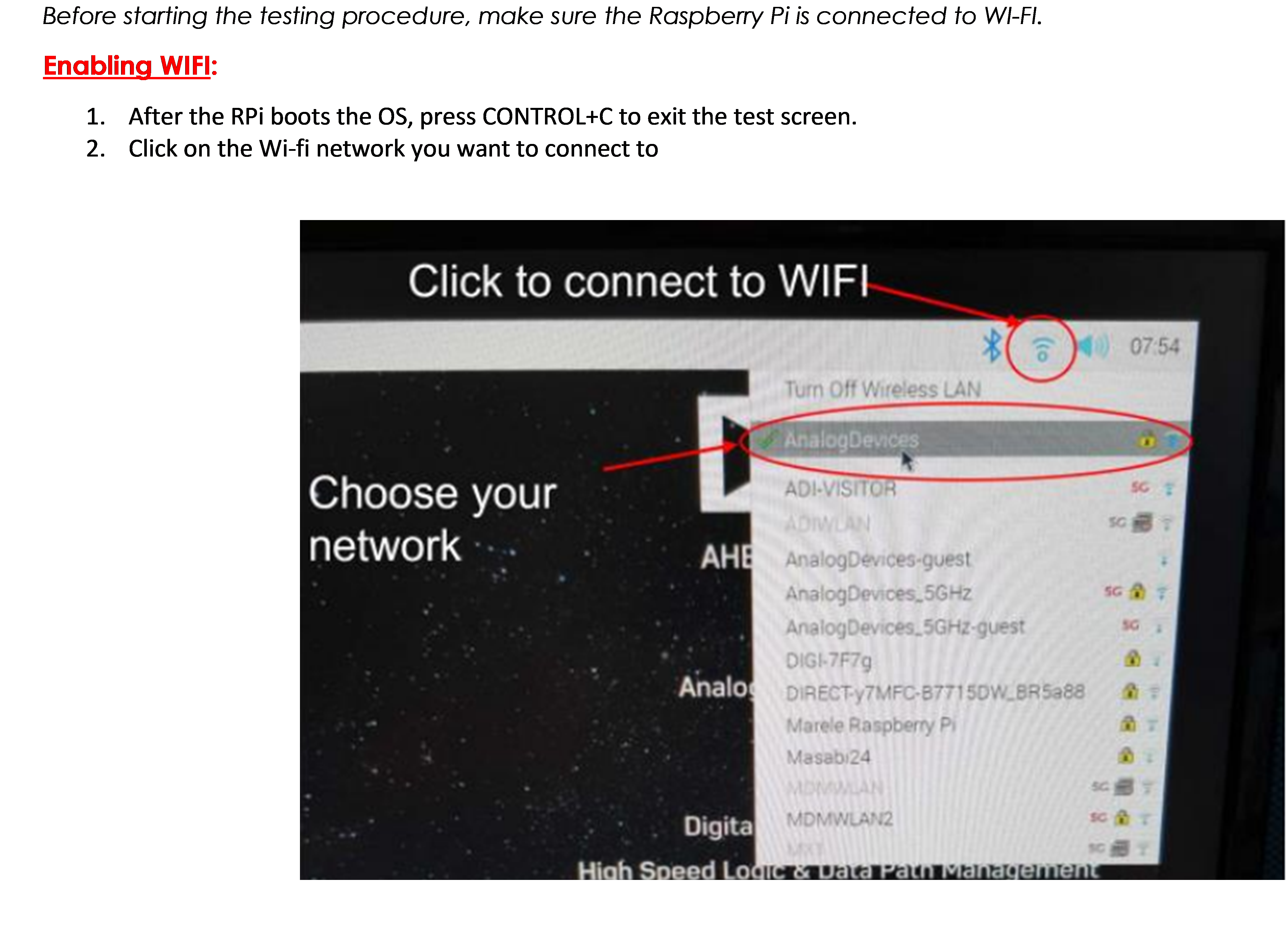
  1. After the Rpi boots the OS, press CONTROL+C to exit the test screen.

  2. Click on the Wi-Fi network you want to connect to.

    https://media.githubusercontent.com/media/plescaevelyn/adi-documentation/t1l2usb_prod_test/docs/solutions/reference-designs/ad-apard32690-sl/ad-t1lusb-ebz/production_testing/images/wifi_connection.png

    Figure 4 Wi-Fi connection

  3. Type in the password.

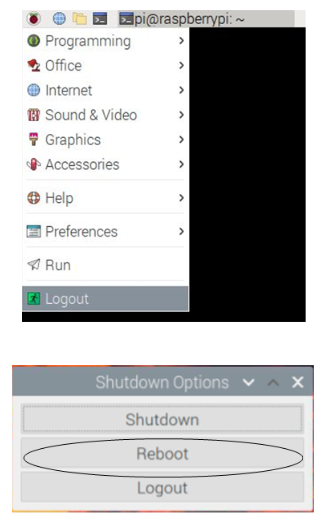
  4. After successfully connecting, reboot the Raspberry Pi by following the instructions below.

    https://media.githubusercontent.com/media/plescaevelyn/adi-documentation/t1l2usb_prod_test/docs/solutions/reference-designs/ad-apard32690-sl/ad-t1lusb-ebz/production_testing/images/reboot1.png

    Figure 5 Reboot instructions

Running the Tests

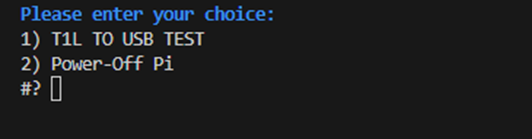
After the Raspberry Pi reboots, the test screen will appear on the monitor.
https://media.githubusercontent.com/media/plescaevelyn/adi-documentation/t1l2usb_prod_test/docs/solutions/reference-designs/ad-apard32690-sl/ad-t1lusb-ebz/production_testing/images/test_monitor.png

Figure 6 Test menu

1) T1L TO Usb Test

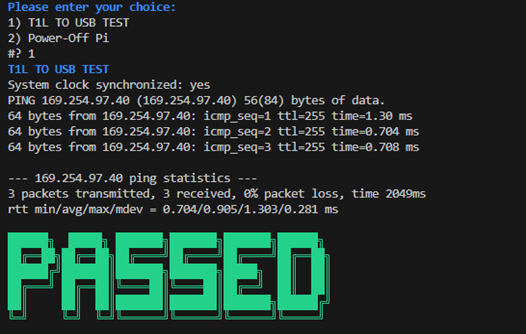
Type 1 into the terminal then press ENTER to start the “1) T1L TO Usb TEST”.
https://media.githubusercontent.com/media/plescaevelyn/adi-documentation/t1l2usb_prod_test/docs/solutions/reference-designs/ad-apard32690-sl/ad-t1lusb-ebz/production_testing/images/test_command_1.png

Figure 7 T1L TO Usb test

In case a failure occurred, a FAILED message will be displayed.

After the PASSED message is displayed, disconnect the media converter and T1L cable and test the next pair.

Once you are done testing, press 2 and ENTER to power off the Raspberry Pi.